


10 Bad Habits That Mean It's Time for an Eye Check-Up
Your daily habits can have a major impact on your eye health. From excessive screen time and ignoring blurry vision to skipping routine check-ups, small mistakes can lead to bigger vision problems ove
Our eyes work hard every day, yet many of us ignore the small warning signs they send. Whether you spend hours staring at a screen, forget to replace your contact lenses, or brush off frequent headaches, these bad habits can gradually affect your vision. If you've noticed discomfort or eyesight changes, scheduling an Eye Check Up in Rohini can help identify potential problems before they become serious. Regular eye examinations not only protect your vision but also support your overall eye health.
Why Your Daily Habits Matter More Than You Think
Many common eye conditions develop slowly and show few symptoms in their early stages. According to the World Health Organization (WHO), early detection and timely treatment can prevent or delay vision impairment in many cases. Likewise, the American Academy of Ophthalmology recommends routine eye examinations because several eye diseases, including glaucoma and diabetic retinopathy, may progress without noticeable symptoms.
The good news? Your eyes often give subtle hints when something isn't right. Paying attention to those signs can make a big difference.

1. You Ignore Blurry Vision
Experiencing blurry vision once after waking up isn't unusual. However, if it happens regularly while reading, driving, or using digital devices, it's worth taking seriously.
Blurry vision may result from an uncorrected refractive error, dry eye syndrome, cataracts, or other eye conditions. In some cases, it may also indicate underlying health concerns such as diabetes or high blood pressure.
Instead of guessing, visit an experienced eye doctor for a comprehensive eye exam. Early diagnosis often leads to simpler and more effective treatment.
2. You Spend Hours Looking at Screens Without Taking Breaks
Let's be honest, our screens have become permanent roommates. Between laptops, smartphones, tablets, and televisions, many people spend more than half their day looking at digital displays.
This habit can contribute to digital eye strain, causing:
Eye fatigue
Dry eyes
Headaches
Temporary blurry vision
Difficulty focusing
The American Optometric Association (AOA) recommends following the 20-20-20 rule: every 20 minutes, look at something about 20 feet away for at least 20 seconds.
Simple habits like adjusting screen brightness, blinking more often, and taking regular breaks can significantly reduce discomfort.
3. You Keep Rubbing Your Eyes
Everyone rubs their eyes occasionally, especially during allergy season. However, rubbing them frequently or aggressively can do more harm than good.
Constant rubbing may irritate the eye surface, worsen dry eye syndrome, and even increase the risk of damaging the cornea over time. It can also transfer bacteria from your hands to your eyes.
If itchy or irritated eyes become a daily problem, an ophthalmologist can identify the underlying cause instead of simply treating the symptoms.
4. You Ignore Frequent Headaches
Your eyes and brain work together every second you're awake. When your vision isn't functioning properly, your eye muscles often work overtime to compensate.
That extra effort may trigger recurring headaches, especially after reading, driving, or working on a computer.
Many people assume stress causes every headache. Sometimes that's true. Other times, your prescription has changed or another vision issue needs attention. A routine eye examination can help identify whether your eyes are contributing to the problem.
5. You Sleep Wearing Contact Lenses
Your contact lenses need a break, too, just like you.
Sleeping with contact lenses, unless specifically approved by your eye care professional, increases the risk of eye infections because your cornea receives less oxygen while you sleep.
Poor contact lens hygiene may also increase the chance of corneal ulcers and inflammation, which can threaten your vision if left untreated.
Following your optometrist's instructions, replacing lenses on schedule, and maintaining proper hygiene remain some of the simplest yet most effective eye care tips for maintaining healthy eyesight.
Why Early Detection Makes a Difference
Several serious eye conditions, including glaucoma, macular degeneration, and diabetic retinopathy, often develop gradually. Many people don't notice obvious symptoms until permanent damage has already occurred. That's why routine eye examinations remain one of the most effective ways to protect your retinal health and reduce the risk of long-term vision loss.
6. You Skip Routine Eye Exams Because Your Vision Seems Fine
One of the biggest misconceptions about eye care is that clear vision means healthy eyes. In reality, several eye diseases develop quietly and may not affect your eyesight until they reach an advanced stage.
Conditions like glaucoma and early macular degeneration often progress without noticeable eye symptoms. A routine comprehensive eye exam allows an eye care professional to detect these issues early, improving the chances of preserving long-term vision.
If it's been more than a year or two since your last appointment, depending on your age and risk factors, it may be time to schedule another visit.
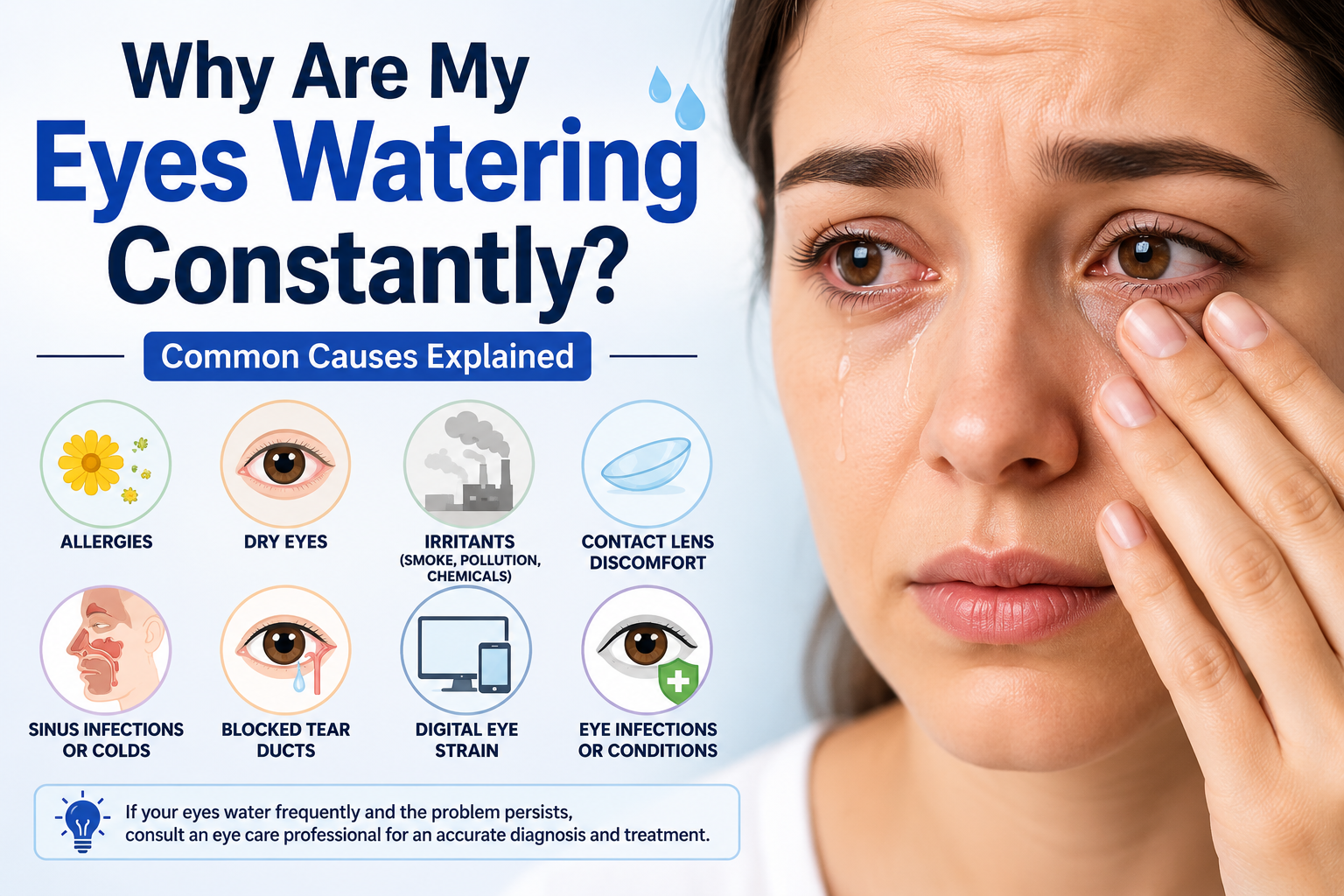
7. You Ignore Dry, Red, or Watery Eyes
Many people assume irritated eyes are simply a result of a lack of sleep or spending too much time outdoors. While that can happen, persistent discomfort deserves attention.
Frequent dry eyes, burning, redness, or excessive watering may point to dry eye syndrome, allergies, meibomian gland dysfunction, or another underlying condition. Ignoring these symptoms can make daily activities like reading or driving less comfortable.
Simple lifestyle changes may help, but persistent irritation should be evaluated by an experienced ophthalmologist or optometrist to determine the exact cause.
8. You Notice Changes in Your Night Vision
Do you find it harder to drive after sunset? Are headlights creating excessive glare? If so, don't dismiss these eyesight changes as "just getting older."
Difficulty seeing in low light may be linked to changes in the lens of the eye, refractive errors, or other conditions that require professional evaluation. Since night vision affects everyday safety, especially while driving, it's important not to delay an eye examination.
9. You Have Diabetes but Skip Eye Screenings
Diabetes doesn't only affect blood sugar, it can also affect your eyes.
People living with diabetes face a higher risk of developing diabetic retinopathy, a condition that damages the blood vessels in the retina. Early stages often cause no obvious symptoms, making regular eye screening especially important.
If you have diabetes, discuss routine retinal evaluations with your eye specialist. Patients looking for Diabetic Retinopathy Treatment in Rohini can benefit from timely diagnosis and individualized care, where experienced specialists focus on protecting long-term vision through evidence-based treatment.
10. You Wait Until Vision Loss Becomes Noticeable
Perhaps the most harmful habit is waiting until something feels seriously wrong.
By the time noticeable vision loss occurs, some eye conditions may already have caused permanent damage. Acting early allows your eye care provider to identify concerns before they significantly affect your daily life.
If you've experienced recurring vision problems, blurred vision, eye fatigue, headaches, floaters, flashes of light, or sudden changes in your eyesight, don't postpone a professional evaluation. Booking an eye check-up in Rohini at Rana Eye Centre can provide clarity about your eye health and help you take proactive steps to protect your vision.
Simple Eye Care Tips for Healthy Eyesight
Healthy habits can support your vision every day. Here are a few practical tips:
Follow the 20-20-20 rule when using digital devices.
Wear UV-protective sunglasses outdoors.
Eat a balanced diet rich in leafy greens, colourful vegetables, and omega-3 fatty acids.
Stay hydrated to support tear production.
Never share or sleep in contact lenses unless specifically advised.
Manage diabetes, blood pressure, and other chronic health conditions.
Schedule routine eye examinations even if your vision feels normal.
Small changes today can help preserve healthy eyesight for years to come.
Protect Your Vision Today: Take the First Step Towards Better Eye Health
Your daily habits shape your eye health more than you may realize. While an occasional late night or long day in front of a computer isn't unusual, persistent symptoms such as blurry vision, eye fatigue, headaches, dry eyes, or other vision problems shouldn't be ignored.
Regular eye examinations remain one of the most effective ways to detect problems early, protect retinal health, and reduce the risk of preventable vision loss. If you recognize any of these bad habits in your routine, consider scheduling a professional eye examination. Taking action today can help safeguard your vision for the future. For more information, patient reviews, and updates about our eye care services, visit our Google Business Profile and learn more about Rana Eye Centre.
Frequently Asked Questions
How often should I get an eye check-up?
The ideal frequency depends on your age, medical history, and risk factors. Adults should follow the schedule recommended by their eye care professional, while people with diabetes or existing eye conditions may require more frequent examinations.
Can digital eye strain permanently damage my eyes?
Current evidence suggests that digital eye strain causes temporary discomfort rather than permanent damage. However, long periods of screen use can lead to eye fatigue, headaches, dry eyes, and blurred vision, making healthy screen habits important.
What are the early warning signs that I should visit an eye doctor?
Common warning signs include blurry vision, persistent headaches, dry eyes, eye fatigue, floaters, flashes of light, difficulty seeing at night, or any sudden vision change.
Why are regular eye exams important even if I can see clearly?
Several eye diseases, including glaucoma and diabetic retinopathy, may develop without noticeable symptoms during their early stages. Regular comprehensive eye exams help detect these conditions before they affect your vision.